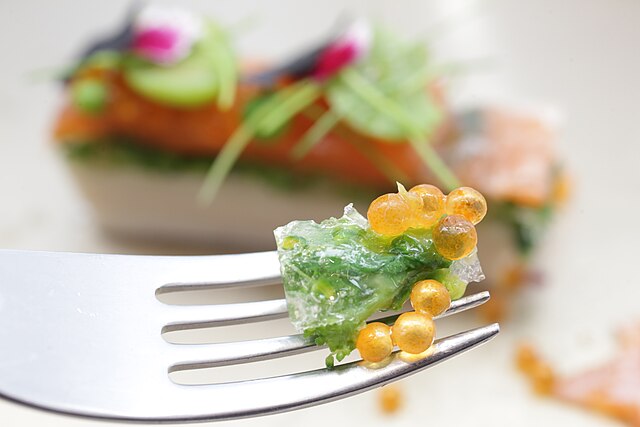
The 2026 Osechi ryori (traditional New Year’s feast) culture in Japan is encountering tight supplies of chief ingredients like Hokkaido-derived salmon roe.
Low catches of chum salmon and other species across 2025 has pushed up prices while the depreciation of the yen against the dollar has hiked condiment rates.
Osechi ryori traditionally contains a three-tier dish that symbolize a pile of blessings for the coming year.
At the top tier is a set of appetizers while the middle tier contains grilled dishes such as salmon roe and the bottom part simmered foods.
Condiments and fish are a part of 20,000 items of foods and drinks that grew expensive in 2025, primarily from ingredient expenses.
According to Kyodo News, price increments for condiments rose most in number while pricey items of packaged rice increased to 4,791 items.
Smoked Salmon Pricey
Due to low supplies, popular salted and smoked salmon offers have been pretty expensive in the run-up to January 1, 2026.
The Toyosu Auction on December 28, 2025 saw around 3,858 summer-run salted salmon on sale. Chum salmon was selling at between 2,376 and 2,700 yen ($15.24-17.32) a kg in Japan’s northernmost island of Hokkaido.
Salted sockeye salmon in Hokkaido tipped the scales with a price range of between 3,780 and 4,860 yen ($24.24-31.17) a kg.
This home species beat imported equivalents such as Chilean, Alaskan and Russian salmon in the 1,296-1,836 yen ($8.31-11.77) /kg range.
Farmed silver salmon from Iwate proved the most affordable at the auction at an average rate of 1,512 yen ($9.70)/kg.
Hence, pairing up the New Year’s traditional dish with shiozake (salted salmon) comes at a price this year in Japan amid supplies drift. The following data finds out more about the supply status of this sushi fish in the Land of the Rising Sun.
Japan Salmon Supplies Statistics
Japan fishes Pacific/Atlantic salmon and farms chum salmon at home. Still, a bulk of domestic supplies that go into sushi dishes come from imports of frozen salmon. The country orders about 9.6% of the world’s prepared or preserved salmon trade, worth $92.9 million, as of 2024. This makes Japan the biggest importer of the processed fish, ahead of Germany and the United States.
Despite imports of sockeye salmon falling by 40% in 2024, Japan still saw its total salmon and trout imports that year overtake 2023’s by 7%. Total imports for the two fish (including trout) hit 296,923 million yen ($1.904 million). This outcome was driven by processed products such as salted and smoked salmon.
Declining salmon production fuels imports. Notably, landings slumped from over 0.5 million tonnes in 1939 to just 50,000 tonnes in 2024. Warming currents and ever-changing fishing concessions with the Far-east Russia region partially account for the sharp decline.
In all seafood production terms, Japan manages 50% of its seafood needs, according to the U.S. Department of Agriculture (USDA). In other words, the country has to spend about $15 billion annually (2022) to import the other 50% of unmet seafood supplies. This is the third highest spending value worldwide for aquatic products.