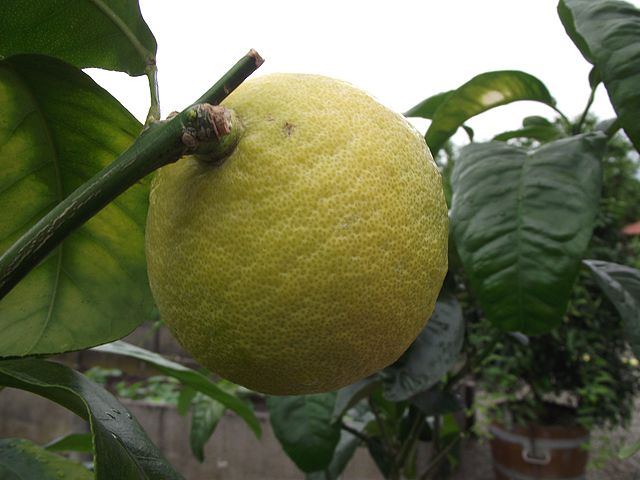
A geographical origin certification delay hounds the world’s biggest bergamot orange production center, Reggio di Calabria province in southwest Italy.
Ezio Pizzi, Conflagricoltura Reggio Calabria and Coldiretti Reggio Calabria have all objected to giving bergamot the Protected Geographical Indication (IGP/PGI) status.
DOP Essence Consortium’s president Ezio Pizzi had in 2001 helped certify the orange with Europe’s Protected Designation of Origin (DOP/POD).
Now it appears there are objections about assigning the orange a new certification status that may conflict with DOP.
The contested IGP registration began five years ago but only got final gazetting on October 16, 2025.
Certification would assign these oranges that produce oil, perfume, and Earl Gray tea an exclusive origin to the Calabria region.
According to the Italian-language Metis Online on December 17, 2025, the Indicazione Geographica Protetta (IGP) Promotion Committee regards objections as monopolistic.
The committee views opposition as tantamount to protecting essential oil interests against IGP-related fresh orange sales.
According to the committee, final certification would equip Italy with a profitable fresh fruit supply chain in the free market.
Certification Critical for Farmers
IGP Promotional Committee’s chair Rosario Prevetira rues that his team’s need to prepare counter-arguments against the newest objections will waste producers’ time.
Francesco Macrí, president of Copagri Calabria, also finds the delay as depriving farmers of fair prices for bergamot oranges within Italy and Europe.
Certification backers see commercial products of these oranges as an outcome of toil by growers, who therefore need support.
Giuseppe Mangone who heads ANPA Calabria-Liberi Agricoltori called on the Calabria region to seek support from the Ministry of Agriculture against lost time.
The ministry had in mid-October published the Production Regulations for Bergamot of Reggio Calabria PGI in a national journal.
This gazetting had as good as bolstered the fruit’s identification with the European Union (EU)’s keynote DOP.
Objections are happening in the middle of the bergamot orange (Citrus x aurantium) harvest that runs from November to February annually, frustrating marketing hopes.
As settlement to the issue gets a hearing, farmers are expediting their harvest for the oil market. How the Reggio Calabria bergamot orange harvest stands in the world market forms the topic of the stats section below.
Reggio Calabria Bergamot Orange Statistics
Reggio di Calabria in the “toe of the boot” region of Italy produces 90% to 95% of the world’s ‘Citrus bergamia’ harvest. The name bergamia has Turkish origins but production in Italy under this name began around the 14th century or later. About 1,300 smallholder farmers grow the fruit exclusively in Calabria and supply the produce to co-ops and aromatic product factories. Factories make oil products, eau de cologne and Earl Gray Tea while co-ops sell their procurements as fresh fruit.
Where exactly do bergamot oranges grow in Italy?
The toe of Italy’s boot where the Ionian and Mediterranean seas meet is where Calabria’s farmers grow bergamot. Orchards lie on a strip covering 90 kilometers, with production concentrated in 35 miles (56 km).
How much of Calabria’s Bergamot has certified origin?
Calabria had by end 2025 only one designated origin status, namely the Protected Designation of Origin (DOP/POD) of 2001. According to Ezio Pizzi, who heads the Bergamot Consortium, Calabria’s DOP-designated area produces 80% of worldwide bergamot. The remainder of the region awaits full certification with the onset of the Protected Geographical Indication (PGI/IGP) registration.
What is the economical value of bergamot orange products?
Oil from bergamot is where value is most apparent, with 2008-9 national bergamot oil production amounting to 70 kiloliters annually. According to CBC Canada, one company was earning €1 ($1.17) per liter of bergamot oil in end 2024. According to Mediterranean Way, ‘bergamot essence’ can garner between €150 and 300 ($175.74-351.48) per 500 ml at retail. This high price owes to the fact that it requires 200 lb of oranges to produce only 2 lb of oil. Bergamot-scented Earl Gray tea also sells higher than other specialty teas for the same reason.