The U.S. Department of Agriculture (USDA) plans local fruit sector purchases worth $30 million from such states as Florida for nutrition programs.
Agriculture Secretary Brooke Rollins said that the purchases will absorb current surpluses so that they “do not go to waste.”
The purchases depend on Section 32 of the Agriculture Act of 1935 that provides for internal farm purchases for assistance mobilization.
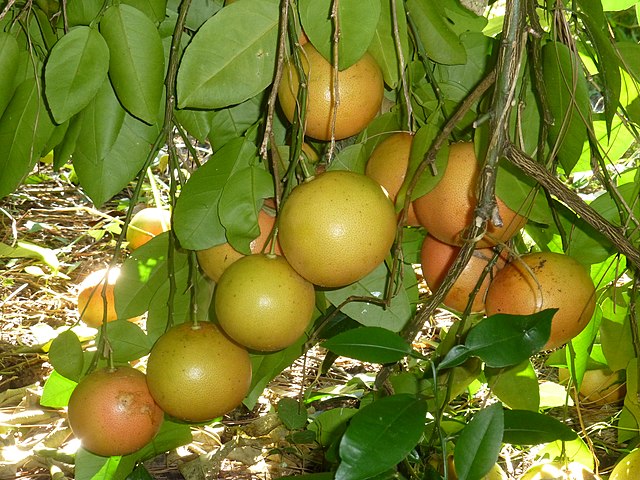
Oranges, grapefruit and mandarins will make up the acquired bulk, a blessing for southeast U.S.’ farmers.
Fresh oranges will top the acquisition value at $15 million, while grapefruit $10 million and mandarins $5 million.
The Ag secretary added that the supply will also buffer farmers against foreign competition.
Notable competition comes from China, Spain and South Africa, the last of which sells 5 to 6% of its citrus stateside.
To counter orange imports from China, Florida’s lawmakers sought to invoke the Citrus Protection Act in February 2025.
The plea came at a time when China’s 2024-25 citrus trade was forecast to increase by 5,000 tonnes year-on-year, per the USDA.
Florida Optimistic on Oranges
Although citrus production in the Sunshine State plummeted from 300 million boxes in the 1990s to 20 million boxes in 2024, growers are still optimistic.
While hurricanes from 2017 through 2023 caused significant damage, it was greening disease that had the most effect.
Sources currently say that farmers remain hopeful that they will win the battle against the disease and climatic freezes.
They have reason to because they have already legally triumphed over lowering sweetness levels in oranges.
The Food and Drug Administration (FDA) brought legal support through the “food standards of identity” revision for orange juice.
On August 14, 2025, the FDA proposed lowering orange juice’s natural sweetness cap from 10.5º to 10º Brix, favoring southeast juicers.
The Florida Processors Association had in 2022 found the state’s natural orange sweetness down to 9.7º Brix due to greening disease.
Whatever Florida receives from the latest USDA’s fruit purchases will bridge a 2025 statewide citrus sector revitalization budget worth $127 million. The following stats in turn magnify the fruit industry to the federal level.
United States Fruit Sector Statistics
The U.S. fruit industry is a behemoth by acreage, with the fruit area (apart from citrus) at 1.8 million acres (2024). Citrus fruits in their part had a fruit bearing acreage of around 532,000 acres in 2024.
Grapefruit leads citrus production, with Florida topping processed production by state. According to the U.S. Department of Agriculture (USDA), grapefruit enjoys a utilized production total of 1.332 million tonnes a year (1980-81). Its processed production amounts to 1.469 million tonnes a year.
Americans access fruits at the rate of 119 pounds per person per year (2023), with bananas, citrus and apples leading availability.
What is the citrus availability per capita in the United States?
| Marketing Year | Oranges/Temples [pounds per person per year] | Grapefruit [pounds per person per year] | Fresh citrus [pounds per person per year] |
| 2023-24 | 7.1 | 0.9 | 25.6 |
| 2022-23 | 7.8 | 1 | 24.7 |
| 2021-22 | 7.7 | 1.4 | 24.3 |
| 2020-21 | 8.1 | 1 | 26.2 |
| 2019-20 | 9.4 | 1.4 | 27 |
How much do fruits in the United States cost at the farm versus retail?
Sample lemon prices exemplify the big disparity between farm-gate and retail prices of fruits in the United States. According to the USDA, fresh lemons cost $0.3 a pound at the farm-gate or 14.9% of the retail price (2023-24). The retail price on the other hand clocks at $2.1 a pound. The price reflects the fact that 85.1% of the retail prices comes from the marketing spread (between the farm-gate and retail grocers).