Australia has newly shipped fresh jujubes from China under new shipping terms during Down Under’s off-season.
Initiating the chain is retailer Jetbest Group, which hailed the arrival of its first consignment at the end of the domestic season.
The group says the dispatch came after the February-April Australian jujube season and therefore only complements local retail.
Import representatives worked hand-in-hand with China’s inspectors to ascertain that the cargo met the newest import terms.
This development follows fresh import stipulations by Australia’s Department of Agriculture, Fisheries and Forestry (DAFF). The department aims to foster year-round availability of the culturally important fruit under aseptic terms.
Beginning January 2020, the DAFF has been finalizing a phytosanitary report for imports of jujube, critical because it is consumed fresh.
In its part, China’s customs have reiterated that all fresh jujubes bound for Canberra are passing rigorous checks.
The produce must also come from an orchard that in an area free of Bactrocera correcta and other leaf diseases.
Important Fruit in Health Circles
There is currently wide expectation that imports from China will offer widespread access to the fruit for health-conscious Aussie consumers.
In August 2025, ABC projected that the fruit was becoming a health highlight and turning into the next trending superfood.
There are already jujube investments running into millions of Australian dollars despite very few customers being knowledgeable of the fruit.
Most of the clout lies in the Asian fruit’s fabled vitamin C content that is over 20 times that of citrus.
In China, where the fruit has thrived seven millennia in places like Shadong Province, locals often use it to spice tea.
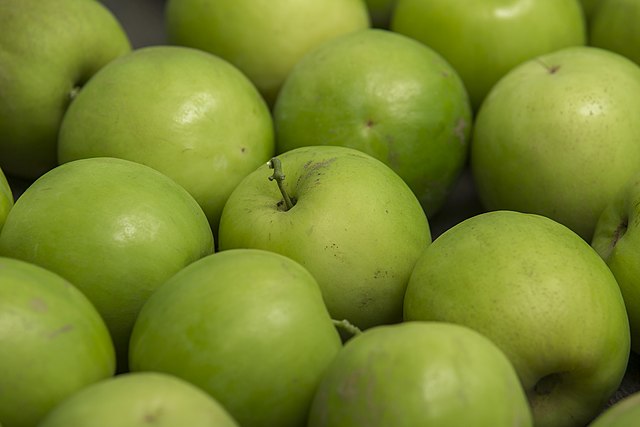
In appearance Ziziphus jujuba Mill. resembles a tiny apple and has the same crispy texture and peculiar aroma.
The species now boasts many cultivars, with over 40 of these growing in south Australia alone.
So, as Australia invests heavily on the foreign fruit, China is continuing to complement supplies under new import arrangements. To learn more on China’s production context, skim the following statistics.
China Fresh Jujubes Statistics
Ziziphus jujuba Mill. or the Chinese jujube is a fresh fruit originating 7,000 years back, according to the journal Horticulturae. China still leads production of the fruit in modern times, with a 98% global share in both output and acreage.
Still, jujubes enjoy wide dispersal through trade and genetics to over 48 nations in all parts of inhabited earth. During this exchange, over 930 genes of the plant have undergone preservation in China. This accounts for the diversity of the fruit’s varieties abroad. Australia, for example, plants over 40 varieites, especially in its southern parts.
Does China export jujubes?
Despite being the biggest consumer of the fruit, China still exports jujubes, mostly preserved in sugar. In February 2025 exports hit 6.145 million yuan ($862,758) while in March reached 9.279 million yuan ($1.32 million). The country averaged an export value of 10.65 million yuan ($1.5 million) monthly between 2015 and 2025, according to CEIC data.
Are jujube products expensive in China?
One of the most processed products in China from jujube include jujube powder for use in wheat flour. It is relatively affordable as it costs around 15 yuan ($2.11) a kg, as of 2023.