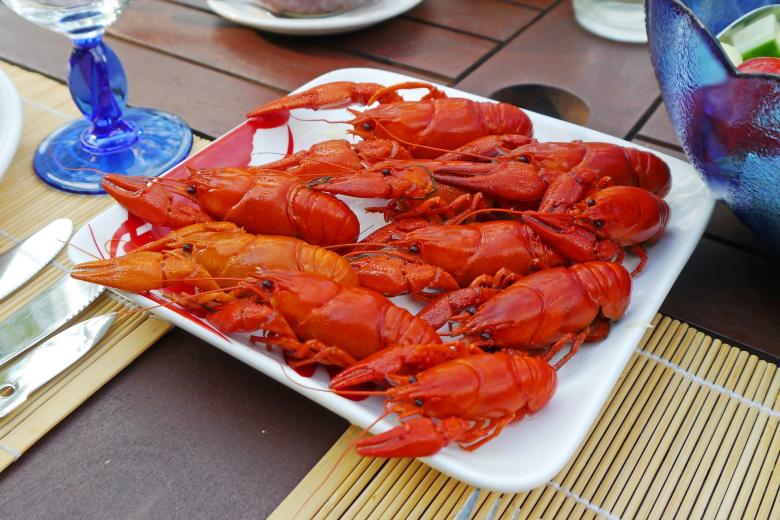
A centuries-old tradition of eating shellfish fresh is ending after England banned live lobster boiling, prompting Canada to rethink this ‘gatherer’ approach.
Home to numerous restaurants fueling a nearly C$3-billion ($2.16 billion) lobster economy, Canada is weighing the impact of the ban abroad.
It is a critical debate from an economical angle because the UK is a key importer of Ottawa’s chief crustacean.
In 2024, the UK emerged the second biggest importer of prepared or preserved lobster from Canada totaling approximately 8,932 tonnes, per the World Bank.
Other seafood markets like Switzerland, Norway and New Zealand have also restricted the boiling of the crustacean at home.
In Canada itself, concern over animal welfare is taking over the airwaves, with businesses counter-weighing options.
Professor Shelly Adamo of Dalhousie University tackled the welfare option on CTV on January 12, 2026 by admitting that “the science remains unclear.” This is in reference to questions whether shellfish feel pain when roiling in hot water.
There is also the fact that cooked/boiled lobster meat rates are more profitable for seafood sellers than live equivalents.
Boiling Ban to Rip off Lobster Restaurants
The other moot point is whether businesses that sell cooked crustacean will manage to buy stunning equipment if Canada also restricts boiling.
According to the UK’s National Post, it will take big restaurants some C$6,640 ($4,785) to purchase electrocution/stunning equipment.
While stunning is worthwhile, its steep upfront costs might force small restaurants to opt for frozen seafood imports instead.
Some are opining that the regulation will be hard to implement because boiling occurs indoors at the end of the seafood value chain.
Small eateries are also mulling switching to raising chicken in the style of fast food joints instead of importing lobster.
If it were crab, Canada would be in luck here for it is a net exporter of frozen crab, including 12,100 tonnes in July 2025 alone. The same month, exports of live lobster clocked 3,100 tonnes, according to Stats Canada.
Conversely, traditional ‘hunter-gatherer’ methods of preparing lobster by boiling have ended their evolution, leaving small restaurants at the crossroads. Should they buy stunning equipment, invest in chicken or hold on to see what Fisheries and Oceans Canada decide next? The following stats anticipate answers based on the current status of the lobstering export business in the North American country.
Canada Lobster Export Industry Statistics
Canada is home to about 50% of hard-shell lobster of the world, the bulk of whose landings undergo export. 2019 alone saw export values hit C$2.6 billion ($1.87 billion), per the Lobster Council of Canada. The country caught about 100,000 tonnes of the crustacean yearly in the 2017-19 period.
Seafood and lobster preparation, such as shucking, boiling, smoking, freezing and packaging is an important industry countrywide. In June 2025, there were 521 businesses doing this kind of preparation, including for lobster – records Statistics Canada. 1 in every 5 of these businesses were in the key lobstering province of Nova Scotia.
Does Canada export live or frozen shellfish?
Canada exports both live and frozen shellfish to countries like the U.S. and the UK. The UK in 2024 ranked second after the U.S. in imports of prepared/preserved lobster from Canada, worth US$4,402,440. In the same year, Canada’s live lobster export share fell by 3.8% from 2023, even as frozen equivalents grew by 24.1%.