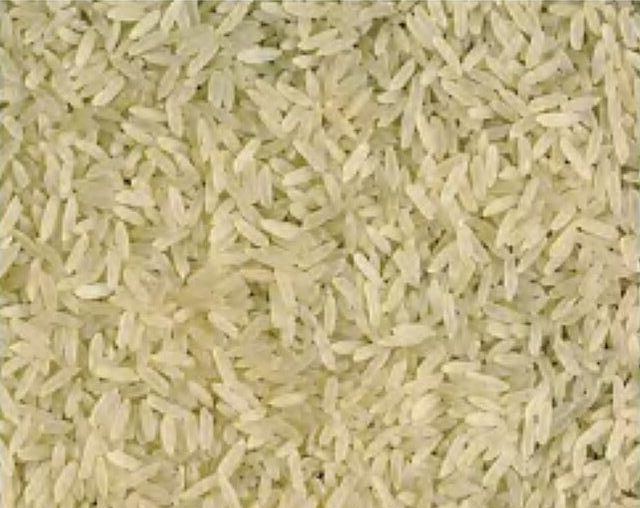
The Myanmar Rice Federation (MRF) is initiating door-to-door deliveries of parboiled rice in a bid to boost local consumption.
MRF’s executive member U Thaung Win said before January 5, 2026 that they will promote domestic utility through home relays and shop retail.
Although the southeast Asia country consumes 80% of its production, only a fraction of parboiled, brown and fortified rice enjoys local consumption.
The parboiled type is especially healthy because its method of soaking, steaming and drying helps mill whole grains.
Commercial production depends on processing machines throughout the country, 30 of which underwent upgrading in 2024 for export processing.
The machines’ minimum steaming time of the husks ensures nutritional retention and eventually reduces cooking time.
Consumption vs. Exports
Myanmar maybe the world’s highest consumer of rice by per capita but it does not partake much of parboiled rice.
Although the average resident of Burma consumes three times the mean global rice consumption margin, they eat mostly regular white rice.
The parboiled bulk sells abroad in mainly Russia, the Eurasia geographical region and the European Union (EU).
According to governmental figures for half-year 2022, parboiled rice makes up around 5% of quarterly rice exports. Out of this, white rice represents 53% and broken rice 42%.
In May 2025, the MRF announced a parboiled rice export target of 300,000 tonnes for the 2025-26 fiscal year.
Export rates for the steamed grain were at between $460 and 505 a tonne from January to June 2022, according to the government’s data.
The Central Statistical Organization (csostat) reported domestic rice prices at Yangon market on January 5, 2026 at 4,200 kyat ($1.97) per pyi. Where 1 pyi equals about 2.55 kg, the price translates to around 1,640 kyat ($0.77) per kg. And as the following data section points out, rice in Myanmar, including parboiled, is not only fairly priced but a daily essential.
Myanmar Rice Statistics
Rice is a food staple in Myanmar almost at par with water or salt. It is no surprise then that yearly consumption per capita here is the highest worldwide. It was at 278.97 kg per person per year in 2025, 3 times the global median of 80.5 kg. Only Comoros comes near at 274.51 kg per person per year, notably ahead of 10th placed Indonesia at 185.22 kg per capita.
As a result, rice prices are relatively low in Myanmar depending on reigning production and consumption trends. In November 2025, the Myanmar Rice Federation and a trading association announced the following home delivery rates, according to The Star:
- Old rice known as Shwebo Paosan at 180,000 kyat ($84.60) a bag.
- New rice or Ayeyarwady Paosan at 130,000 kyat ($61.10) a bag.
- Ghysma Hta at 50,000 kyat ($23.50) per bag.
National production on the other hand usually surpasses consumption, making Myanmar a self-sufficient rice nation. The nation plants rice on 17.4 million acres (2021-22) or 34% of all arable land, according to the government. 80% of the harvest attracts domestic consumption while 20% is for foreign trade. Below is a production profile in the 2020-24 period, based on data by the FAOSTAT:
| Year | Production [tonnes] |
| 2024 | 27,650,000 |
| 2023 | 25,650,000 |
| 2022 | 27,983,100 |
| 2021 | 27,438,300 |
| 2020 | 26,399,600 |
What rice forms does Myanmar export?
White or common rice makes up 53% of Myanmar’s rice exports, followed by broken rice (42%) and parboiled rice (5%), as of January-June 2022.