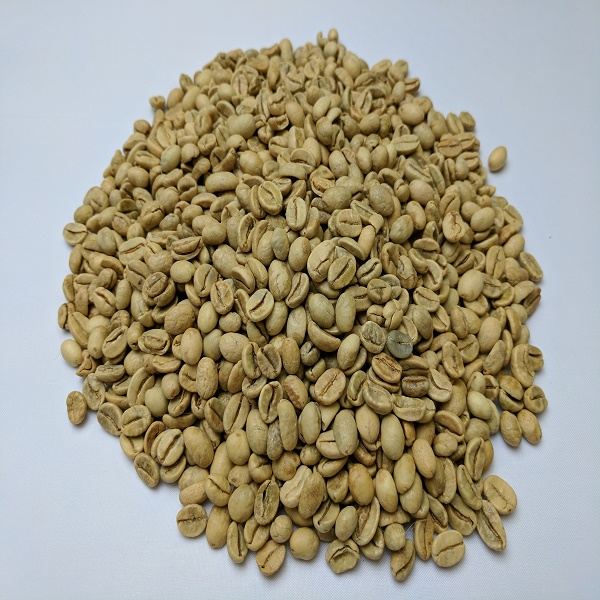
The Alto Hualluga coffee belt on the banks of Hualluga river in the Huánuco region of central Peru is lately embracing caffeine value addition.
All this is thanks to an intervention program by the National Commission for Development and Life Without Drugs (Devida), reports Agraria.
The program will give specialty coffee and processing know-how to 200 smallholders in the area, beginning June 2025.
Some of the milestones of the project include imparting knowledge on brewing fermented lactic and alcoholic caffeine products.
Domestic value addition will deter locals from drug addiction by offering an alternative economic activity besides market sales of green coffee beans.
On top of amassing processing expertise, small-scale farmers will also trial varieties that have made Peru’s coffee a specialty type.
Devida is forwarding high yield but hardy cultivars such as Tupi Catiguá, Paraíso and Obatá for trials in the area.
Once the varietal cultivation gains ground, it will hone healthy market competition between producers, upping quality and boosting income.
Even before Davide’s project, the Alto Huallaga Specialty Coffee Competition had been promoting quality contests among district farmers.
The Competition’s promoter José Manuel says such initiatives will help local processing compare to that of the more famous Andes’ origins.
Sustainability
The outcome of local value promotional efforts is enhanced sustainability, which has made Andean coffee famous.
In the decade ending 2023, around 10,000 farmers had made headway in organic coffee production, raising Peru’s international profile.
As of 2025, 95% of organic coffee production was courtesy of small-scale farmers, mostly in the high Andes region.
The optimal altitude at between 1000 and 1800 meters above sea level creates conducive conditions for growing the commercial plant, free of chemicals.
Despite emerging leaf rust disease threat, analysts expect national organic coffee production to grow annually by 7% in 2024-25.
Furthering this growth is the rise of hitherto outlying coffee areas such as Huánuco, which are pushing sustainability and quality value.
Although Huánuco is only now emerging as a major growing belt, efforts such as those by Davide to add value are raising economic interest. To learn more on the overall coffee value addition in Peru as a whole, skim the statistics below.
Statistics on Coffee Value Addition in Peru
As the 11th biggest coffee producer, 9th biggest exporter and number 1 organic beans shipper, Peru is increasingly promoting value addition primarily via specialty green coffee. The country’s green coffee generated 699 million Euro ($764.3 million) in export returns in 2023. The main value addition focus starts right at the planting level, whereby Peru leads with 90,000 certified organic hectares as of 2024.
Does Peru export or import value added coffee?
In 2024, Peru exported 4,033 60-kg bags of raw beans, which means value added products are still minimal. However, in the same timeline, the nation imported 6,117 tonnes of instant coffee.
How is Peru honing coffee value addition?
Peru is creating coffee value via promotions like the 2023 Gender Action and Learning System where 2,674 farming households participated in coffee-related training. This workshop, for instance, helped up to 10% of the participants strengthen women’s role in cultivating and processing coffee. Another instance is by the anti-drug body, Davide, whose June 2025 work in Alto Huallaga is promoting value addition among 200 coffee growers.
What is the total worth of Peru’s coffee value chain?
In 2019, Peru’s coffee value chain (including value added products and exports) represented 9% of all agricultural shipments. The coffee chain was also the fourth that year in agri-food export value, at $637 million. All value chain activities from production to marketing and processing employs over 200,000 families, as of 2019.
How is Huánuco positioned as a coffee hub?
A high altitude location at between 900 and 2,000 meters above sea level are the winning factors for coffee production in Huánuco. Produce quality contests by local promotion authorities are also helping increase stakes for the region as a high-value coffee hub.