
William Adom
O tym William Adom
DESCRIPTION/INTRODUCTION
Honey is a supersaturated solution of sugar made by bees. Honeybees (Apis mellifera) collect a liquid secretion from flowers, called nectar, and take this back to their hives. At the hive, honeybees add enzymes to the nectar, and place it in wax cells where it ripens to form honey.
We collect, produce, pack, sell and deliver to domestic and external markets high quality honeybee products. The processes of producing and bottling are conducted in up-to date facilities equipped with necessary machinery, managed by skilled staff, in compliance with all appropriate sanitary and health regulations.
Honey is a natural, sweet, syrupy fluid collected by bees from nectar of flowers. The pleasant aroma and taste of this viscous liquid ranging in color from pale yellow to dark amber varies according to geographical and seasonal conditions. Its use as a sweetener is well known in different parts of the world.
TEXTURE
Texture can be dependent on the floral source. Clover honey tends to have a creamy consistency while almond and dandelion are very coarse. This is caused by the difference in properties of the nectar source. Some have a much lower water content and vary in chemical composition.
PRESERVATION /TEMPERATURE
Diastase half-lives calculated for different storage temperatures (White et al., 1964).
(The half-life is the time in which the diastase content decreases to half its original value.)
| Temperature (°C) | Honey diastase half-life |
| 10 | 12,600 days (34.5 years) |
| 20 | 1,480 days (4 years) |
| 25 | 540 days (18 months) |
| 30 | 200 days (6.6 months) |
| 32 | 126 days (4.2 months) |
| 35 | 78 days (2.6 months) |
| 40 | 31 days |
| 50 | 5.38 days |
| 60 | 1.05 days |
| 63 | 16.2 hours |
| 70 | 5.3 hours |
| 71 | 4.5 hours |
| 80 | 1.2 hours |
HARVEST METHODS WE PRACTICE IN GHANA
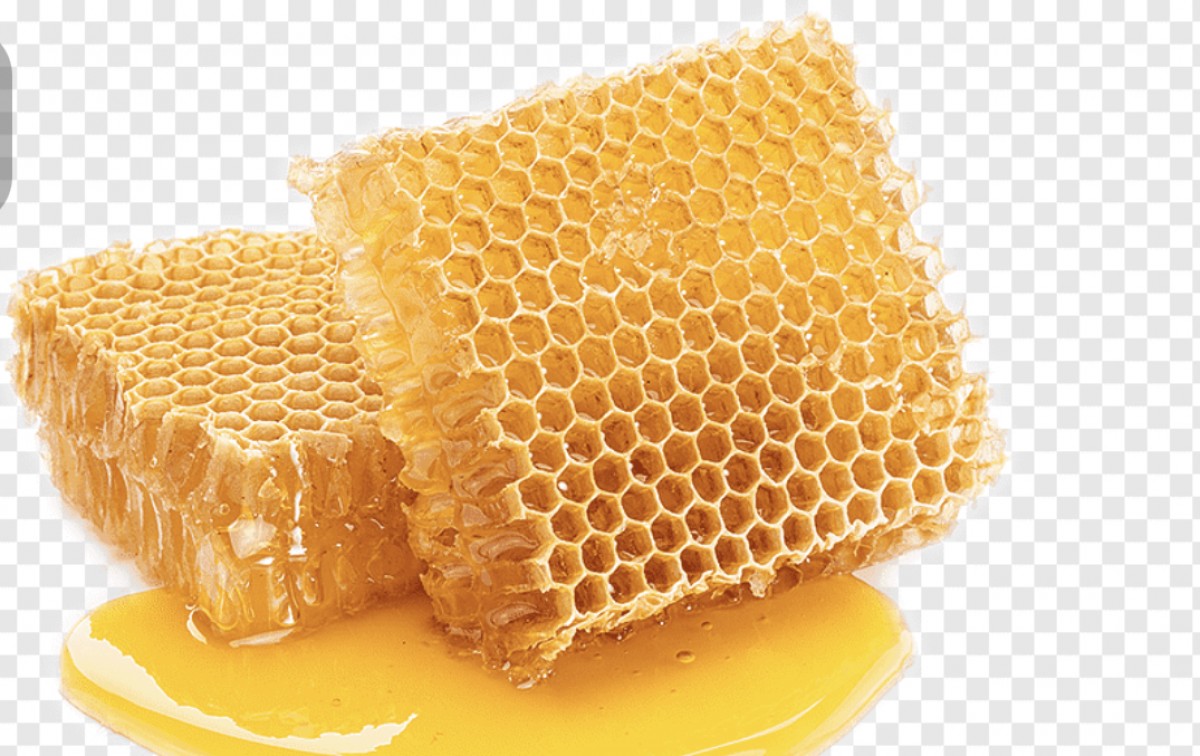
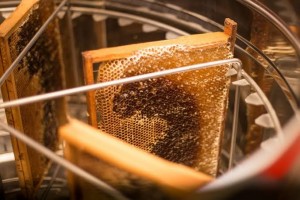
Honey can be harvested in two major types: Comb and Extracted honey. Comb honey is the type of honey that is harvested exactly as the bees created it. The beekeeper harvests the comb that is full of honey. The whole comb with the honey is edible, delicious, nutritious.
GRADES
Grades between UMF 5 and UMF 10 are low grade ADOM honey. Honeys in this lower range are safe for daily supplementation.
Mid-grades of UMF 10 to UMF 15 are therapeutic. They fight bacteria and have anti-inflammatory features. They can be very helpful in fighting with many illnesses.
High-grade of UMF 20+ (going up to 25 and 30 in rare cases) is considered medical grade.
Manuka honey with UMF24+ has very high peroxide activity, MGO over 1200mg/kg and leptosperin over 200mg/kg. This kind of Manuka honey has the highest antibacterial properties.
They can fight serious bacterial infections.
QUALITIES
honey is used as an anti-inflammatory, antioxidant and antibacterial agent. People commonly use honey orally to treat coughs and topically to treat burns and promote wound healing.
Szczegóły produktu
- Kategoria
- Miód naturalny
- Kraj pochodzenia
- Ghana
Dostępność według miesięcy
Advertisement
Więcej Miód naturalny z Ghana
Zobacz wszystkie
Inne Processed z Ghana
Zobacz wszystkie 🇬🇭Ghana
Masło shea
 🇬🇭Ghana
Kauczuk naturalny
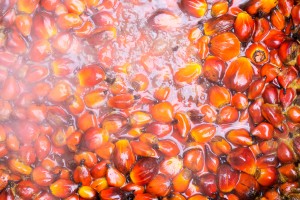 🇬🇭Ghana
Surowy olej palmowy
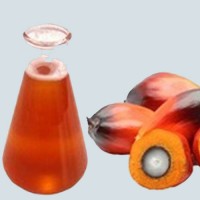 🇬🇭Ghana
SUROWY OLEJ PALMOWY
 🇬🇭Ghana
OLEJ KOKOSOWY VIRGIN TŁOCZONY NA ZIMNO
 🇬🇭Ghana
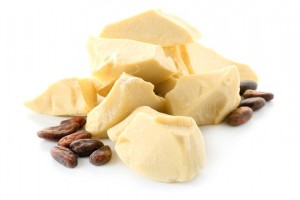
MASŁO KAKAOWE
 🇬🇭Ghana
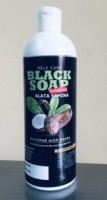
Mels Care Black Soap (Alata Samina) Shower Gel
 🇬🇭Ghana
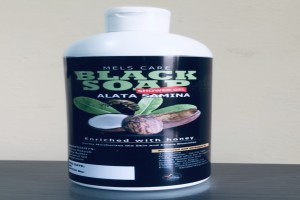
Mels Care Black Soap Shower Gel (Alata Samina)
Miód naturalny z innych krajów
Zobacz wszystkie 🇹🇿Tanzania
Naturalny Miód
Honey
Bahrin
BahrinHoney
 🇿🇦Republika Południowej Afryki
Miód Golden Globe
 🇹🇿Tanzania
Natural Honey
Bee Natural Honey
 🇹🇿Tanzania