
_1669728346.jpeg)
Baobab Powder
Über dieses Baobab Powder
Baobab is a tree native to certain regions of Africa, Arabia, Australia and Madagascar.
Also known by their scientific name Adansonia, baobab trees can grow up to 98 feet (30 meters) tall and produce a large fruit that is commonly consumed and appreciated for its delicious citrus-like flavor.
The pulp, leaves and seeds of the baobab fruit — which is also available in powdered form — have been associated with many health benefits and are a staple in various recipes and cuisines.
Here are the top 6 benefits of baobab fruit and powder.
1. Rich in Many Important Vitamins and Minerals
Baobab is a good source of many important vitamins and minerals.
Research shows that the nutritional content of baobab can vary depending on the geographical location where it’s grown and between different parts of the plant, such as the leaves, pulp and seeds.
For instance, the pulp is high in vitamin C, antioxidants and several key minerals like potassium, magnesium, iron and zinc.
The leaves are rich in calcium and high-quality proteins that can be easily digested.
Furthermore, the seeds and kernel of the plant are loaded with fiber, fat and micronutrients like thiamine, calcium and iron.
However, in most parts of the
Therefore, both powdered baobab and fresh parts of the plant are highly nutritious.
SUMMARY
Baobab is highly nutritious and different parts of the plant supply varying amounts of protein, vitamin C, antioxidants, potassium, magnesium, iron, zinc, calcium and B vitamins.
2. May Aid Weight Loss by Promoting Feelings of Fullness
Some research has found that adding baobab to your diet may be beneficial if you’re looking to drop a few extra pounds.
It can help curb cravings and promote feelings of fullness, helping you eat less and lose weight.
SUMMARY
Baobab is high in fiber and has been shown to reduce feelings of hunger which could promote weight loss
NUTRITION
1. Rich in Many Important Vitamins and Minerals
Baobab is a good source of many important vitamins and minerals.
Research shows that the nutritional content of baobab can vary depending on the geographical location where it’s grown and between different parts of the plant, such as the leaves, pulp and seeds.
For instance, the pulp is high in vitamin C, antioxidants and several key minerals like potassium, magnesium, iron and zinc.
The leaves are rich in calcium and high-quality proteins that can be easily digested.
Furthermore, the seeds and kernel of the plant are loaded with fiber, fat and micronutrients like thiamine, calcium and iron .
However, in most parts of the world where fresh baobab is unavailable, it’s more commonly found as a dried powder.
Powdered baobab contains many important nutrients but is especially high in vitamin C, vitamin B6, niacin, iron and potassium.
SUMMARY
Baobab is highly nutritious and different parts of the plant supply varying amounts of protein, vitamin C, antioxidants, potassium, magnesium, iron, zinc, calcium and B vitamins.
2. May Aid Weight Loss by Promoting Feelings of Fullness
Some research has found that adding baobab to your diet may be beneficial if you’re looking to drop a few extra pounds.
It can help curb cravings and promote feelings of fullness, helping you eat less and lose weight.
SUMMARY
Baobab is high in fiber and has been shown to reduce feelings of hunger which could promote weight loss.
3. May Help Balance Blood Sugar Levels
Adding baobab to your diet may benefit blood sugar control.
In fact, one study found that baking baobab extract into white bread reduced the amount of rapidly-digested starch and slowed down the increase of blood sugar levels in the body (8Trusted Source).
Similarly, another small study in 13 people showed that adding baobab to white bread decreased the amount of insulin needed to transport sugar from the blood to the tissues to help control blood sugar levels.
Because of its high fiber content, baobab may also help slow the absorption of sugar into the bloodstream, which can prevent spikes and crashes in blood sugar and stabilize levels long term.
SUMMARY
Baobab may help slow the increase of blood sugar levels and decrease the amount of insulin needed to keep your blood sugar under control.
4. Antioxidant and Polyphenol Content May Reduce Inflammation
Baobab is packed with antioxidants and polyphenols, which are compounds that protect your cells from oxidative damage and reduce inflammation in your body.
Some studies suggest that chronic inflammation could contribute to a long list of health conditions, including heart disease, cancer, autoimmune disorders and diabetes.
Though current research is mostly limited to animals, some studies have observed that baobab may help decrease levels of inflammation in the body.
One rat study found that baobab fruit pulp reduced multiple markers of inflammation and helped protect the heart from damage.
A mouse study showed that baobab extract decreased oxidative damage to cells and reduced levels of inflammation.
Fiber moves through your gastrointestinal tract undigested and is essential to digestive health.
For example, one review of five studies showed that eating more fiber increased stool frequency in people with constipation.
Fiber also acts as a prebiotic and feeds the beneficial bacteria in your gut, optimizing the health of your gut microbiome.
Other research shows that increasing your intake of fiber may also protect against conditions like intestinal ulcers, inflammatory bowel disease and hemorrhoids.
SUMMARY
Baobab is high in fiber, which may improve digestive health and prevent conditions like constipation, intestinal ulcers, inflammatory bowel disease and hemorrhoids.
6. A Great, Nutritious Addition to Your Diet — Fresh or Powdered
Baobab grows throughout Africa, Madagascar and Australia and can be eaten fresh or used to add a punch of flavor and nutrients to desserts, stews, soups and smoothies.
However, finding fresh baobab may be challenging in countries where the fruit is not commonly grown.
Fortunately, powdered versions are widely available at many health food stores and online retailers worldwide.
For a quick and convenient way to get your daily dose of baobab, try mixing the powder into your favorite beverages, such as water, juice, tea or smoothies.
You can also add the powder to baked goods or sprinkle a bit over yogurt or oatmeal for an antioxidant-rich treat.
With a little creativity, there are limitless ways to enjoy baobab and take advantage of the unique health benefits that it has to offer.
SUMMARY
Baobab can be consumed fresh or in powdered form and added to a variety of different recipes.
The Bottom Line
Baobab is a fruit that has been associated with a number of impressive health benefits.
In addition to supplying many important nutrients, adding baobab to your diet may aid weight loss, help balance blood sugar levels, reduce inflammation and optimize digestive health.
Produktdetails
- Kategorie
- -
- Herkunftsland
- Kenia
Verfügbarkeit nach Monat
Advertisement
Mehr , aus Kenia
Alle anzeigen
, aus anderen Ländern
Alle anzeigenWalzen zur Herstellung von Mittelwänden aus Bienenwachs
 🇨🇲Kamerun
Irvingia gabonensis (Afrikanische Buschmango)
 🇨🇲Kamerun
Akpi (Djansang)
 🇪🇹Äthiopien
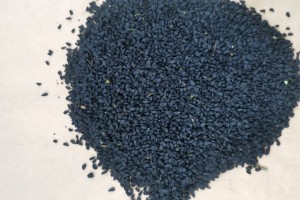
Schwarzkümmelsamen
 🇿🇦Südafrika
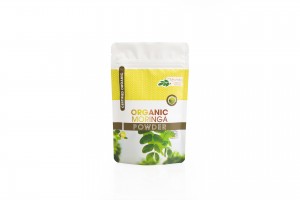
Zertifiziertes Bio-Moringa-Veganpulver
 🇿🇦Südafrika
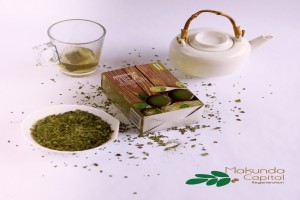
Zertifizierter Bio-Moringa-Tee
 🇿🇦Südafrika
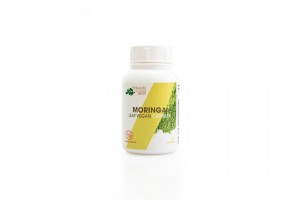
Zertifizierte Bio-Moringa Vegane Kapseln
 🇬🇭Ghana