

Watermelon Maridadi
About this Watermelon Maridadi
Hello,
This Maridadi F1 Watermelon zebra variety with excellent crispy and sweet taste on a 2 acre piece of land will be ready for harvesting from 16th Oct 2023 while The second phase on a 1 acre will be ready from 5th Nov 2023.
Product Description:
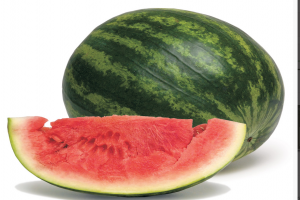
Zebra Variety
Shape: Oval to oblong.
Average weight 8kg
Customers can collect from the farm or we can deliver to your location. The farm gate price is Kes 25 per kg while that of market place if Kes 35.00 per Kg. Minimum order 1 tonne.
The farm is situated in Embu County, Kenya.
Please email me on imanikimani17@gmail.com
BENEFITSOF CONSUMING WATERMELON
Early evidence suggests that regularly eating watermelon promotes good health and may reduce your risk of chronic diseases such as diabetes, obesity, cardiovascular disease and cancer. This is likely thanks, in part, to its antioxidants, which help protect your body from stress and prevent or slow cell damage. Here are some of the health benefits of consuimg watermelon:
1. Helps you stay hydrated
Staying hydrated is important for your body to function properly.
Body temperature regulation, normal organ function, nutrient delivery to cells, and alertness are only some of the bodily processes that rely on adequate hydration
Eating foods with a high water content may help give your body the water it needs to function properly.
Watermelon comprises 92% water, making it a great choice for daily water intake.
Furthermore, due to its high water content, this melon has a low calorie density — in other words, very few calories for its total weight.
Eating foods with low calorie densities, such as watermelon, may aid weight management by keeping you feeling full for longer.
2. Packed with nutrients and beneficial plant compounds
Watermelon contains a variety of nutrients, including potassium, magnesium, and vitamins A and C. It’s also relatively low in calories, containing just 46 per cup (152 grams).
Here are the nutrients in 1 cup (152 grams) of raw, diced watermelon:
- Calories: 46
- Carbs: 11.5 grams
- Fiber: 0.6 grams
- Sugar: 9.4 grams
- Protein: 0.9 grams
- Fat: 0.2 grams
- Vitamin A: 5% of the Daily Value (DV)
- Vitamin C: 14% of the DV
- Potassium: 4% of the DV
- Magnesium: 4% of the DV.
3. May have anticancer effects
Several plant compounds found in watermelon, including lycopene and cucurbitacin E, have possible anticancer effects.
While study results are mixed, lycopene intake may be associated with a lower risk of some types of cancer, such as prostate and colorectal cancers
Lycopene is believed to work by lowering blood levels of insulin-like growth factor (IGF), a hormone that promotes cell division. Notably, cancer forms when cell division becomes uncontrollable
Additionally, cucurbitacin E may inhibit tumor growth by promoting the autophagy of cancer cells. Autophagy is the process by which your body removes damaged cells.
4. May improve heart health
Several nutrients in watermelon may support heart health.
Heart disease is the leading cause of death worldwide. It’s worth noting that lifestyle factors like diet may lower your risk of heart attack and stroke by reducing your blood pressure and cholesterol levels.
Studies suggest that lycopene may help lower cholesterol and blood pressure. It may also help prevent oxidative damage caused by high cholesterol levels.
Watermelon also contains citrulline, an amino acid that may increase nitric oxide levels in your body. Nitric oxide helps your blood vessels expand, which lowers blood pressure
Other heart-healthy vitamins and minerals in watermelon include magnesium, potassium, and vitamins A, B6, and C
5. May reduce inflammation and oxidative stress
Inflammation is a key driver of many chronic diseases.
The combination of antioxidants, lycopene, and vitamin C in watermelon may help lower inflammation and oxidative damage.
6. May help prevent macular degeneration
The watermelon compound lycopene may have benefits for your eyes.
Age-related macular degeneration (AMD) is a common eye problem that can cause blindness in older adults .
Lycopene’s role as an antioxidant and anti-inflammatory compound may help prevent and inhibit AMD.
One test-tube study that treated eye cells with lycopene found that it decreased the capacity of inflammatory markers to damage cells.
7. May relieve muscle soreness
Citrulline, an amino acid found in watermelon, may improve exercise performance and reduce muscle soreness
It’s also available as a supplement.
One review found that regular intake of citrulline for at least 7 days improved aerobic performance by increasing the body’s production of nitric oxide.
This compound helps expand blood vessels so that your heart doesn’t need to work as hard to pump blood through your body.
What’s more, some evidence suggests that watermelon itself — not just citrulline — may aid your body after exercise.
8. May aid skin health
Vitamins A and C, which are found in watermelon, are important for skin health.
Vitamin C — either when eaten or applied topically — helps your body make collagen, a protein that keeps your skin supple and your hair strong.
One review found that a higher intake of vitamin C from food and/or supplements may decrease your chances of developing wrinkles and dry skin.
Vitamin A is also important for healthy skin since it helps create and repair skin cells.
In one review, animals with vitamin A deficiency had poorer wound healing than those fed a nutritionally complete diet
9. May improve digestion
Watermelon contains plenty of water and a small amount of fiber, both of which are necessary for healthy digestion.
Fiber helps keep your bowels regular, while water moves waste through your digestive tract more efficiently.
One survey in 4,561 adults found that those with low fluid and low fiber intakes were more likely to experience constipation.
In Summary
Watermelon is a tasty, thirst-quenching fruit that many people enjoy in the heat of summer. It has a very high water content and provides nutrients like lycopene, citrulline, and vitamins A and C.
Studies suggest that this sweet, red melon may even boost heart health, reduce muscle soreness, and decrease inflammation.
Product details
- Category
- Watermelon
- Country of origin
- Kenya
Availability by month
Advertisement
More Watermelon from Kenya
View all




Other Fruits from Kenya
View all 🇰🇪Kenya
Extra Virgin Avocado Oil
 🇰🇪Kenya
Tommy Atkins Mangoes
 🇰🇪Kenya
Apple Mango
 🇰🇪Kenya
Hass Avocados
 🇰🇪Kenya
Fuerte Avocados
 🇰🇪Kenya
Jumbo Avocado
 🇰🇪Kenya
Frankincense
 🇰🇪Kenya
Hass Avocados
Watermelon from other countries
View all 🇱🇰Sri Lanka
Watermelon
 🇺🇬Uganda
Watermelon
 🇺🇬Uganda
Watermelon
Watermelon
 🇲🇿Mozambique
Watermelon
Watermelon
 🇺🇬Uganda