
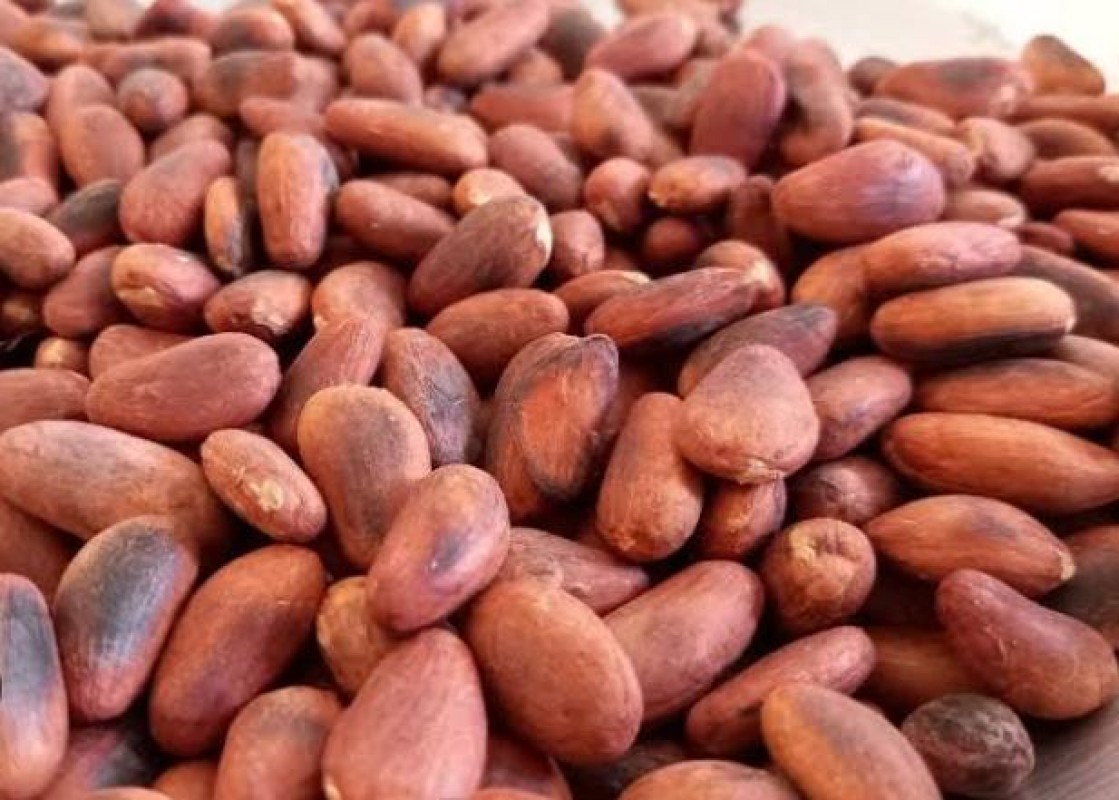
Cocoa beans
Over deze Cocoa beans
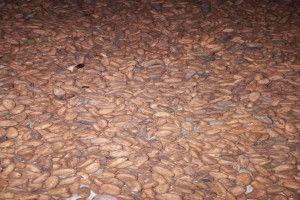
We have raw cocoa beans from Uganda. The available quantity is 70tonns.
*Description of Cocoa Manual*
Cocoa (Theobroma cacao) is among the key agricultural export crops in Uganda. It has a wider adaptability especially in the banana-robusta coffee farming systems. It is one of the world’s most valuable crops, cultivated worldwide on 8.2 million hectares, grown in 58 countries. Cocoa is a well-adapted agro-forestry plantation crop grown in hot, rainy climates sometimes called the ‘Cocoa Belt.
**Preparation tips ahead of the planting season*
Cocoa requires deep, fertile soils with PH range 4.5-6.0 topsoil of 15cm, rainfall ranging from 1,250 to 2,000mm per annum well distributed throughout the year. Cocoa is easily hurt by prolonged drought.
Land should be weed free, all unwanted trees should be removed
Traditionally cocoa grows under a shade, such as natural shades provided by other trees. So in preparation of the land for planting you should pick land which will protect the cocoa from direct sun light and winds.
Bananas should be planted to provide temporary shade and later Musizi trees should be planted to provide a permanent shade in the cocoa field
A farmer needs to do field marking to be able to determine the optimum number of cocoa seedlings to be planted in a given area and enables attaining the right spacing
Like coffee, cocoa is planted at a spacing of 10ft * 10ft (3m * 3m) square= 435 plants/acre, Plant shade trees (Musizi) at 40feet * 40feet (12meters * 12meters), Dig a hole of 2 feet (60cm) deep and 2 feet wide to allow proper root development, planted in free-draining soils
Marked outlines should follow the contours across the slope to minimize soil erosion and that planting holes should be dug 1 month before planting to allow the soil to settle and cool.
Cocoa requires deep, fertile soils with PH range 4.5-6.0 topsoil of 15cm, rainfall ranging from 1,250 to 2,000mm per annum well distributed throughout the year. Cocoa is easily hurt by prolonged drought.
Land should be weed free, all unwanted trees should be removed
Traditionally cocoa grows under a shade, such as natural shades provided by other trees. So in preparation of the land for planting you should pick land which will protect the cocoa from direct sun light and winds.
Bananas should be planted to provide temporary shade and later Musizi trees should be planted to provide a permanent shade in the cocoa field
A farmer needs to do field marking to be able to determine the optimum number of cocoa seedlings to be planted in a given area and enables attaining the right spacing
Like coffee, cocoa is planted at a spacing of 10ft * 10ft (3m * 3m) square= 435 plants/acre, Plant shade trees (Musizi) at 40feet * 40feet (12meters * 12meters), Dig a hole of 2 feet (60cm) deep and 2 feet wide to allow proper root development, planted in free-draining soils
Marked outlines should follow the contours across the slope to minimize soil erosion and that planting holes should be dug 1 month before planting to allow the soil to settle and cool.
*Post Harvesting Process*
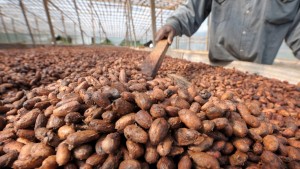
Cocoa is collected fresh in rural collection points near the farms which allows for full traceability and transparency. Fermentation takes place in a boxes in a centralized facility for a period of 5-7 days according to a carefully developed protocol which varies depending on weather and timing of the harvest. Drying is completed under a solar greenhouse roof on raised mesh racks over a period of 5-7 days.
*_Image_*
Uganda is home to some of the best cacao beans in the world. Only approximately 5% of cocoa beans in the world is labeled as “ *Fine Aroma,”* and Uganda produces nearly 52% of it.
*Note* Cocoa beans are beautifully packed in sisal bags of 35- 70kgs for a better maintenance of moisture life
Productdetails
- Categorie
- Cacaobonen
- Land van herkomst
- Oeganda
Beschikbaarheid per maand
Advertisement
Meer Cacaobonen uit Oeganda
Alles bekijken
Andere Processed uit Oeganda
Alles bekijken 🇺🇬Oeganda
Citronella (Cymbopogon Nardus)
 🇺🇬Oeganda
Melk
Gember
 🇺🇬Oeganda
Koffie
 🇺🇬Oeganda
Cacaoboter
 🇺🇬Oeganda
Cocoa Butter
 🇺🇬Oeganda
Maïsmeel
Koffie
Cacaobonen uit andere landen
Alles bekijken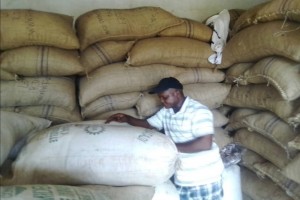 🇨🇩Congo (Democratische Republiek)
Cacaoboon
 🇨🇲Kameroen
Cacaobonen
 🇨🇲Kameroen
Cacaobonen
 🇨🇮Ivoorkust
Cacaobonen
 🇰🇪Kenia
Cacao
 🇨🇲Kameroen
Cacaobonen
 🇳🇬Nigeria
Cocoa beans
_1636360715.jpeg) 🇳🇬Nigeria
🇳🇬Nigeria